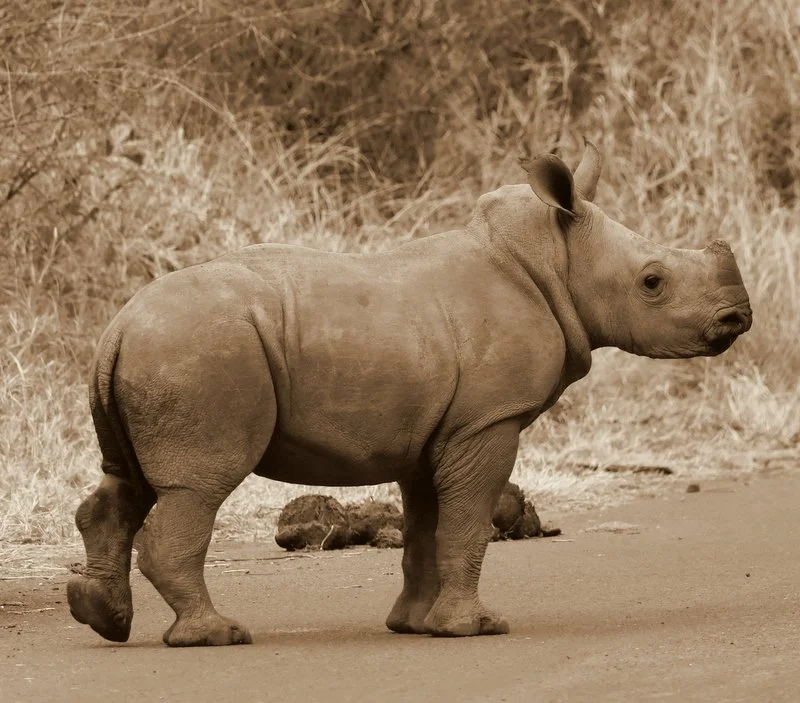
Why Do Rhinos Matter?
And what happens if they go?
On September 22, the world celebrates World Rhino Day — a day dedicated to all five remaining species of rhino and to the people working to protect them.
But this year, we wanted to ask a slightly different question.
Why do rhinos actually matter?
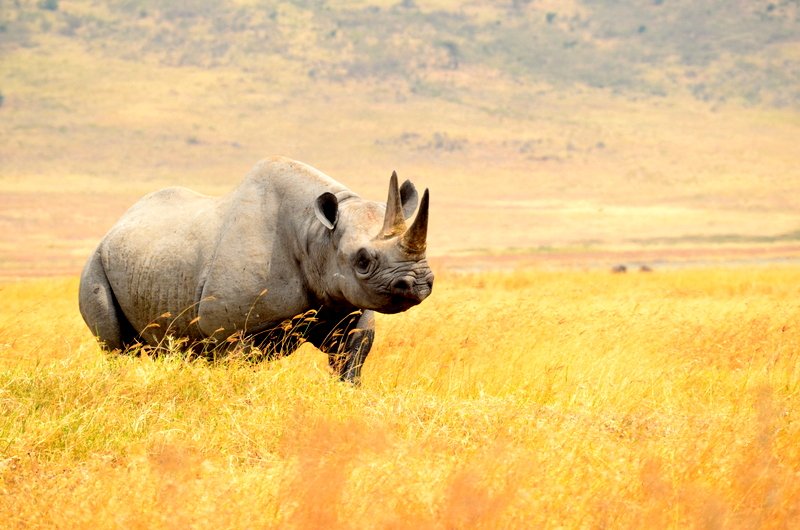
Of course, we know the obvious answers. Yes, they are magnificent, they are ancient, they are endangered and they are one of Africa's most iconic animals.
But what do rhinos actually contribute to the natural world?
And perhaps more interestingly — what would happen if they weren't here anymore?
Rhinos are what conservationists sometimes call ecosystem engineers. They are big enough that simply eating, walking and moving through the landscape can influence the environment around them.
Take the two African species.
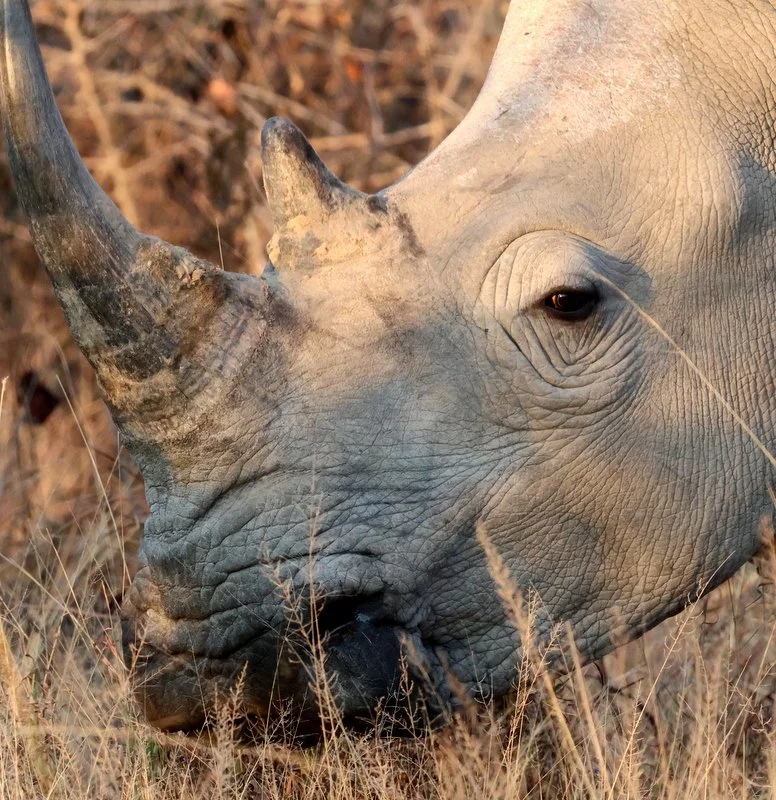
The white rhino is primarily a grazer. Its wide, square-shaped mouth is remarkably well suited to cropping grass close to the ground. In areas where white rhinos are present, their grazing can help create and maintain shorter, open patches of grassland known as grazing lawns — and these aren't just useful to rhinos, other grazing animals can make use of them too.
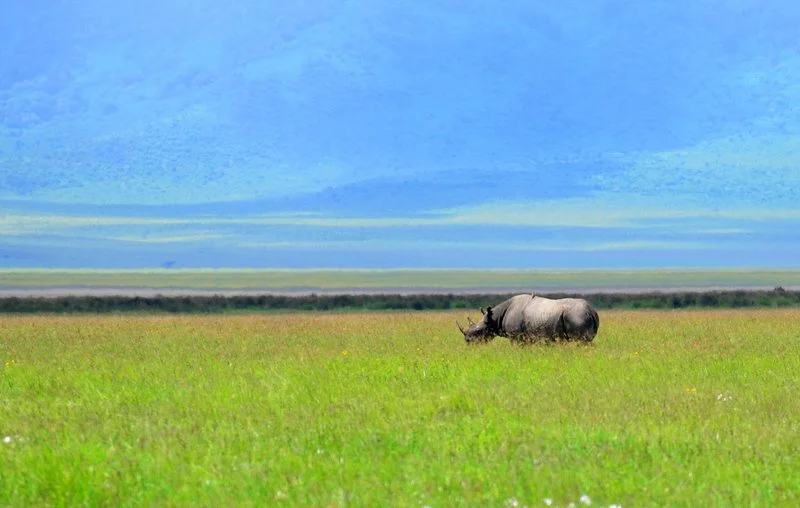
The black rhino is primarily a browser, feeding on leaves, shoots, twigs and other woody vegetation. Its feeding habits therefore influence a different part of the vegetation structure.
And then, of course, there is the dung.
What goes through a rhino eventually goes back into the ecosystem, returning nutrients to the soil and providing food for dung beetles and other organisms.
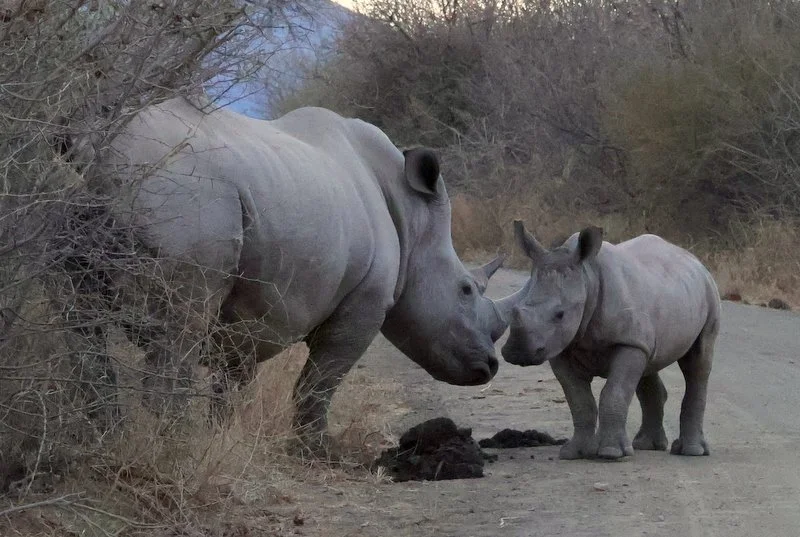
But would the park collapse without them?
Here's where things get uncomfortable - Probably not.
If every rhino disappeared tomorrow, the grass would still grow, elephants would still walk across the African savannas, lions would still hunt, zebras would still graze and the rivers would still flow.
The ecosystem would change, certainly. Removing a large herbivore changes grazing pressure, vegetation patterns and the relationships between species — but nature is remarkably adaptable and the landscape would adjust.
And that raises a much bigger question: - Does something have to be essential to be worth saving?
Imagine waking up tomorrow and discovering that the Statue of Liberty was gone.
New York would still function. The subway would still run, the restaurants would remain open, Wall Street would continue trading and planes would still land at JFK.
The city wouldn't collapse.
The same would be true of London without Big Ben or Paris without the Eiffel Tower.
None of these landmarks are essential to the functioning of their cities.
They don't produce food, they don't clean the water, they don't regulate the climate, they don't keep the electricity running.
And yet, Imagine them gone…
Something would be missing. Something would feel wrong because these landmarks make those places richer simply because they are there.
Perhaps the rhino is a little like that.
If rhinos disappeared, Africa would continue.
But would Africa be quite the same?
There is something uniquely exhilarating about finding a rhino on safari. While on safari, we have a reasonable idea where to find most animals, but rhinos can be different — especially black rhinos, which often live in thick brush.
You need to track them.
Look for footprints in the sand, a broken branch, a recently used rubbing post, a scrape in the earth, fresh dung in a midden, flattened vegetation or a simple trail disappearing into thick bush.
The vehicle slows, and everyone gets attentive.
“He's close”
Suddenly, the vehicle is completely silent. Everyone is holding their breath. Even the slightest sound seems amplified.
Then the bush moves — and there he is.
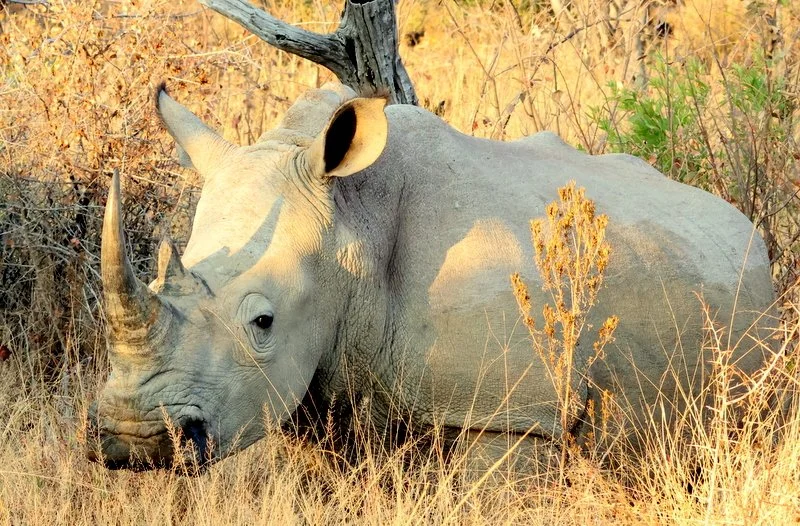
A rhino moving quietly through the thornveld.
This beautiful, enormous animal, with its unmistakable prehistoric appearance, is suddenly standing right there in front of us.
And somehow, despite its enormous size, it feels like you have been allowed into a secret.
These feeling matters, because conservation isn't only about ecological functions. It's also about preserving the possibility of that moment.
The possibility that a child visiting Africa today might one day bring their own child on safari and hear a guide whisper - “He's close.”
If rhinos go... what next?
This may be the most important question of all because once we accept that a species can disappear simply because the ecosystem will eventually adapt, where do we draw the line?
If the rhino goes, what next?
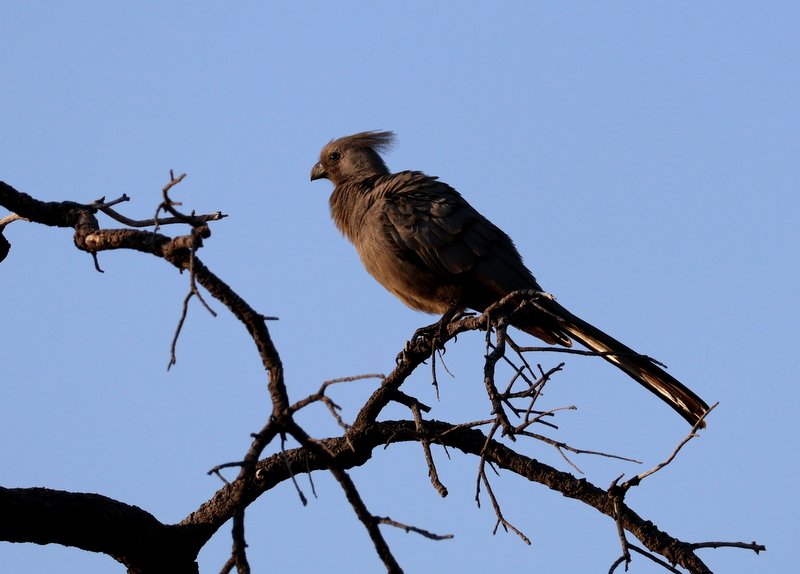
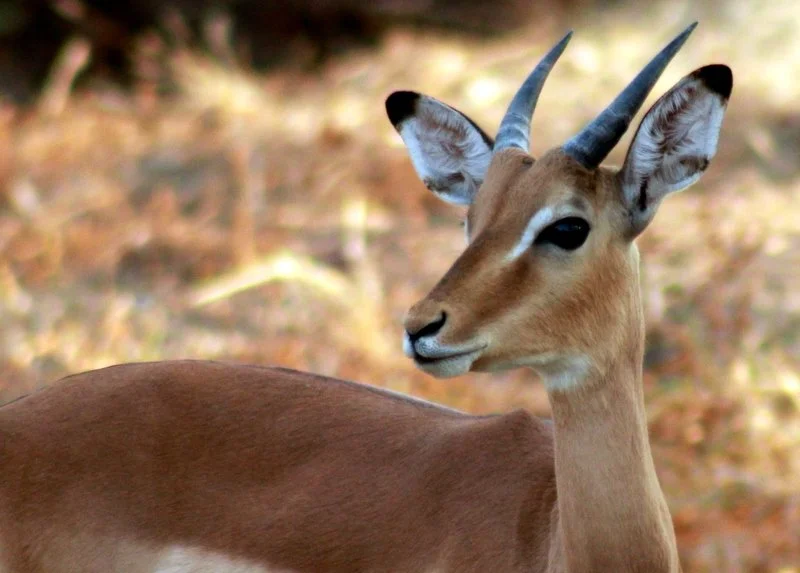
Perhaps the impala we see every day but rarely stop for. Perhaps the Grey Lourie, with the unmistakable “go-away” call that can be heard through the bush, but which rarely makes it into anyone's safari photographs.. Perhaps another acacia thorn tree, one more tree among thousands that looks much like the others.
We could probably convince ourselves that the world would cope without any one of them - and perhaps it would.
But that isn't really the point.
Because the natural world isn't simply a collection of things we need for survival. It is a collection of relationships, stories, colours, sounds and encounters that together create something far greater than the sum of its parts.
Take enough pieces away, one at a time, and eventually we aren't simply living in a world that has survived but living in a world that has become poorer.
We don't need everything - but that doesn't mean that we should lose everything.
We don't need the Statue of Liberty for New York to survive.
We don't need Big Ben for London to function.
We don't need the Eiffel Tower for Paris to prosper.
But these things have become part of the identity of those places. They tell a story and they give people something to recognize, something to admire and something to pass on.
The rhino does the same for Africa - Rhinos are part of the story of this continent.
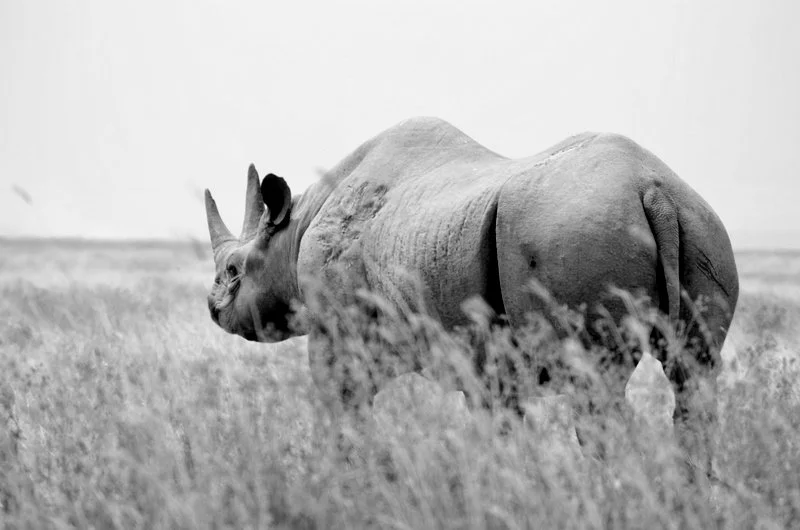
So, why does the rhino matter?
Perhaps the answer is bigger than ecology.
They matter because they belong here.
They matter because they shape the landscape.
They matter because other species interact with the world they help create.
They matter because encountering one in the wild can leave an impression that lasts a lifetime.
And they matter because once something is gone, we don't get to choose whether we want it back.
So, this World Rhino Day, perhaps we should ask a slightly different question:
“What kind of world do we want to leave behind?”
Because if the rhino disappears, Africa will carry on. The grass will grow, rivers will flow, buffalo will graze, hyaenas will scavenge and the world will survive.
But somewhere along the way, we will have lost something ancient, wild and extraordinary and once we become comfortable deciding that one piece of the natural world is expendable - what comes next?
This is why rhinos matter.