Jane, Ufiti and the Secrets Malawi Still Holds
There are few people who have done more to change the way we see Africa than Jane Goodall — and today, with tears in our eyes, we remember her.
Jane was born in London in 1934, but from an early age she dreamed of Africa. She wanted to go into the African wilderness, study animals in their natural environment and, in her own way, do some good.
In 1960, at just 26 years old, that dream took her to the shores of Lake Tanganyika in what is now Gombe National Park, Tanzania. There, Jane began what would become one of the longest-running studies of wild chimpanzees anywhere in the world.
Her observations changed science. She discovered that chimpanzees make and use tools, revealed remarkably complex social relationships and showed us that the boundary we had imagined between humans and the rest of the animal world was far less clear than we thought.
We love Jane Goodall.
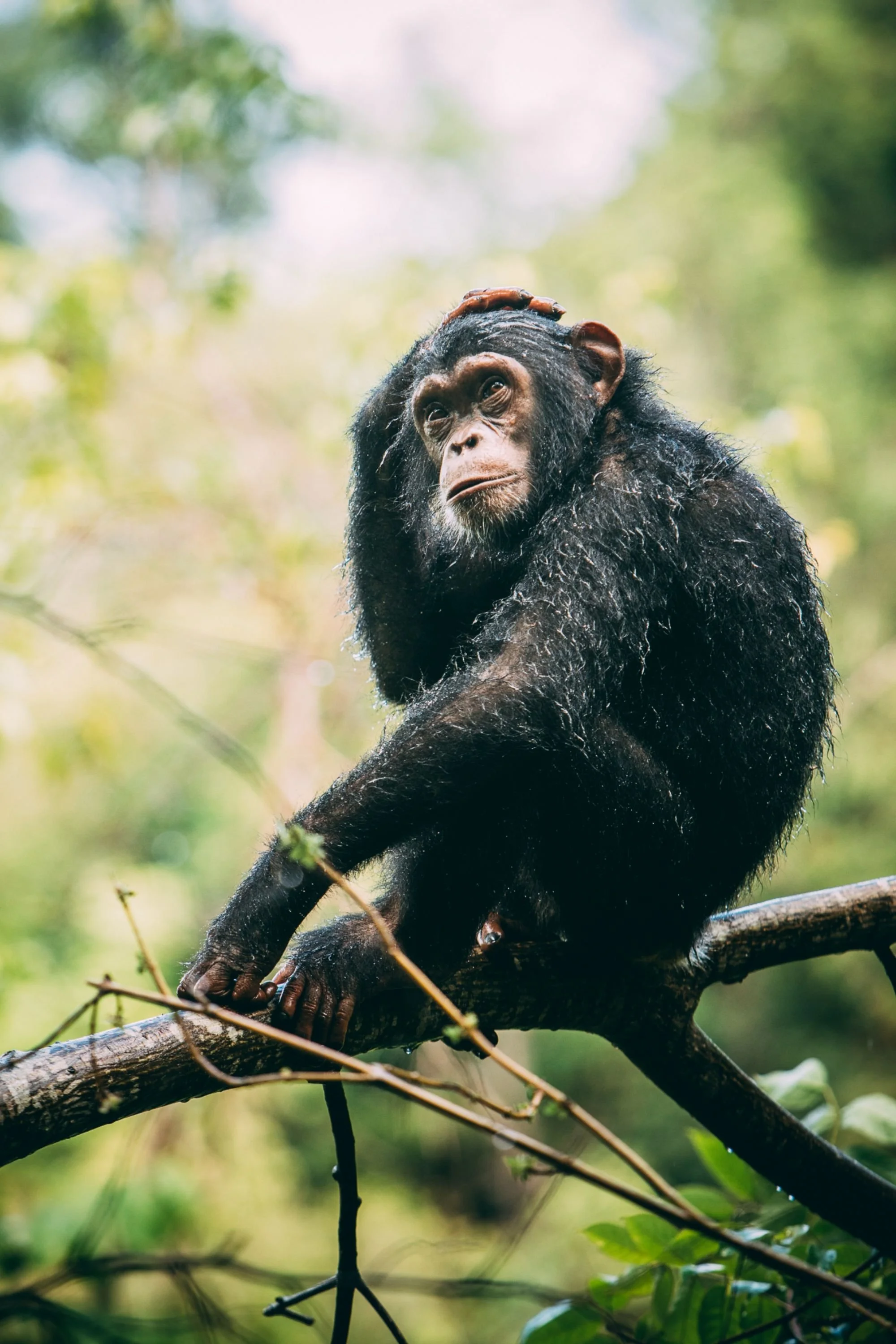
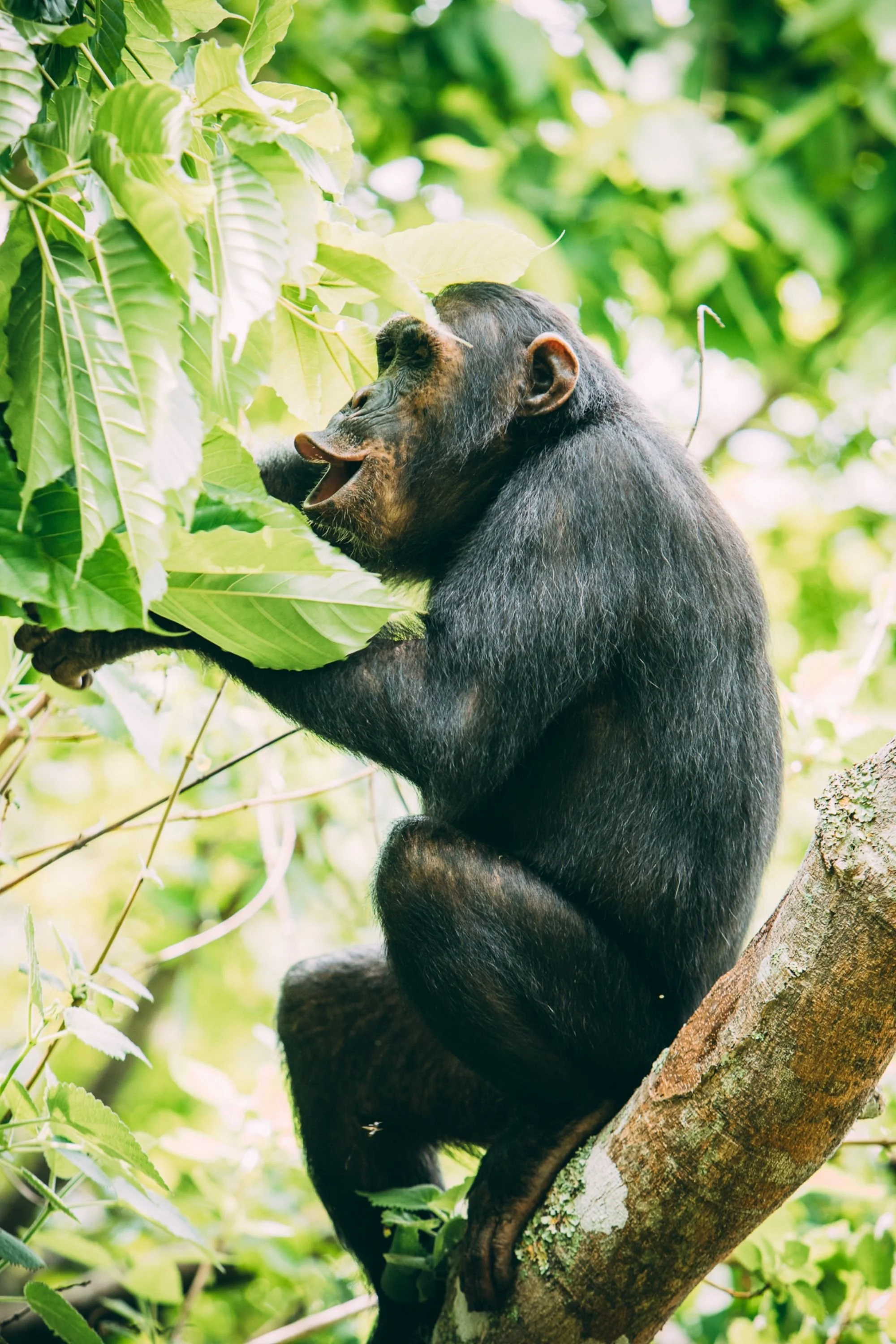
But what does Jane Goodall have to do with Malawi?
While Jane was patiently watching chimpanzees on the shores of Lake Tanganyika, hundreds of kilometres further south, on the northern shores of another great African lake, Lake Malawi - something rather extraordinary was happening.
In 1959, local road workers began encountering a strange visitor in the bush around the area where they were working, near Nkhata Bay on the northern lakeshore of Malawi.
They called it Ufiti — a word associated with witchcraft or magic. It wasn't really a name at all, it was what local Malawian people called something they couldn't explain.
And this animal certainly looked unusual. It was large, dark-haired and remarkably interested in the road construction taking place around the Limpasa Bridge. It would appear near the workers, watch what they were doing and then disappear back into the bush.
Eventually, wildlife experts arrived to investigate, and to their surprise, the mysterious creature was not some unknown monster at all - she was a chimpanzee.
But she was not quite like any chimpanzee they were familiar with.
Ufiti had striking and unusual coloration — including a very dark face and distinctive greyish coloring across her back. Her appearance was sufficiently unusual that the experts considered whether they might be looking at a previously unrecognised form of chimpanzee.
In 1960, officials in Nyasaland — Malawi at the time — even considered Ufiti to be a new subspecies of chimpanzee.
This was a remarkable discovery but sadly the story surrounding Ufiti became something of a mystery thereafter. There were sightings, investigations and attempts to understand exactly where this unusual chimpanzee had come from and why she was there.
The mystery was never entirely solved and Ufiti eventually disappeared from the story, leaving behind more questions than answers.
And today, somehow, that feels very appropriate.
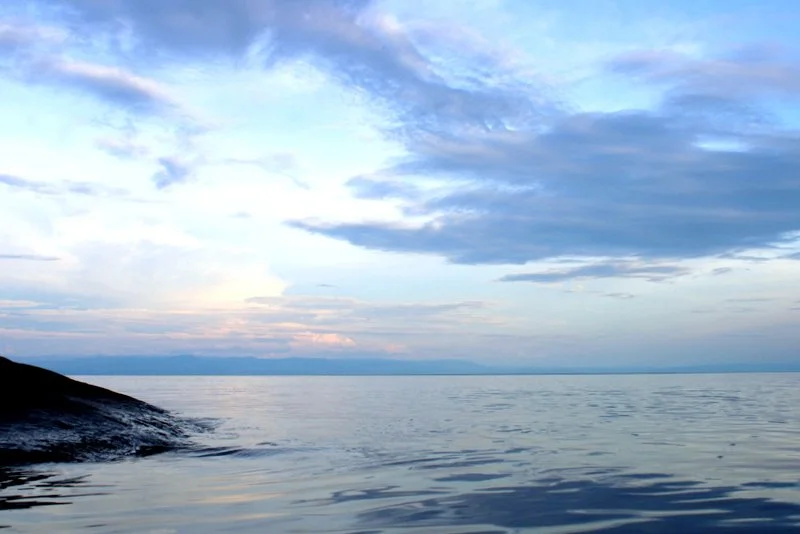
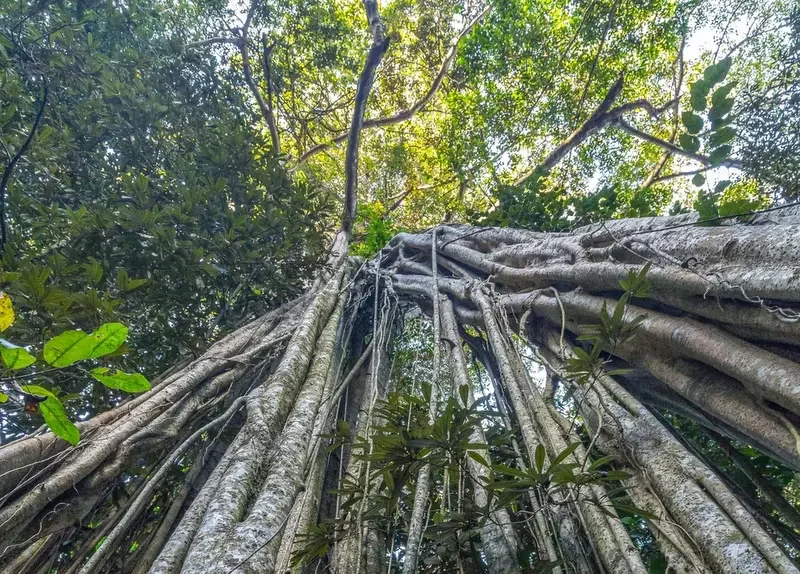
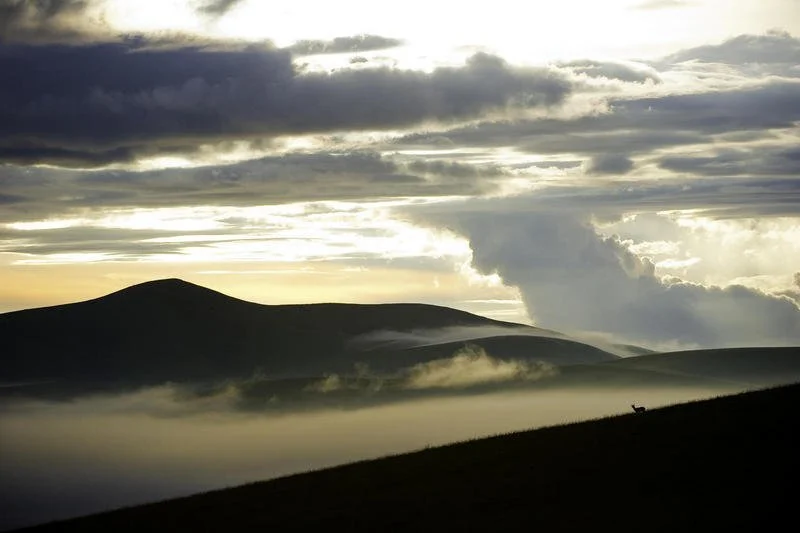
A country still full of questions
Because this is Malawi.
Malawi is a country that still feels wonderfully undiscovered.
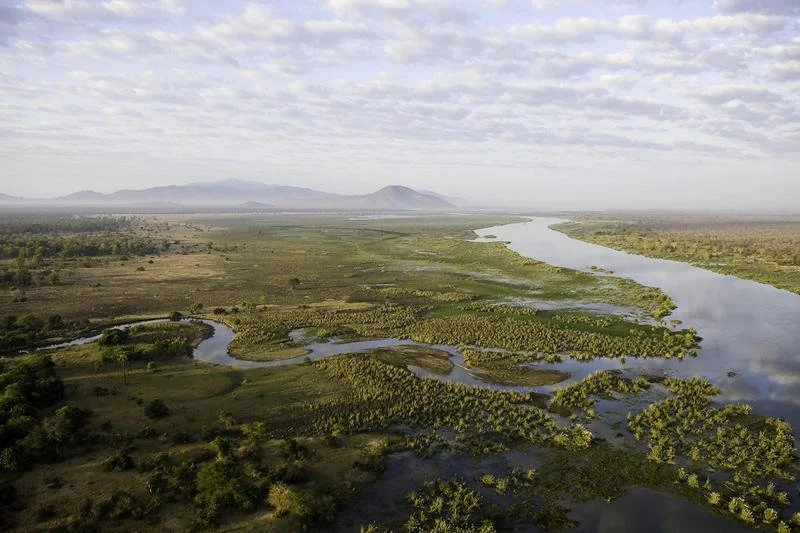
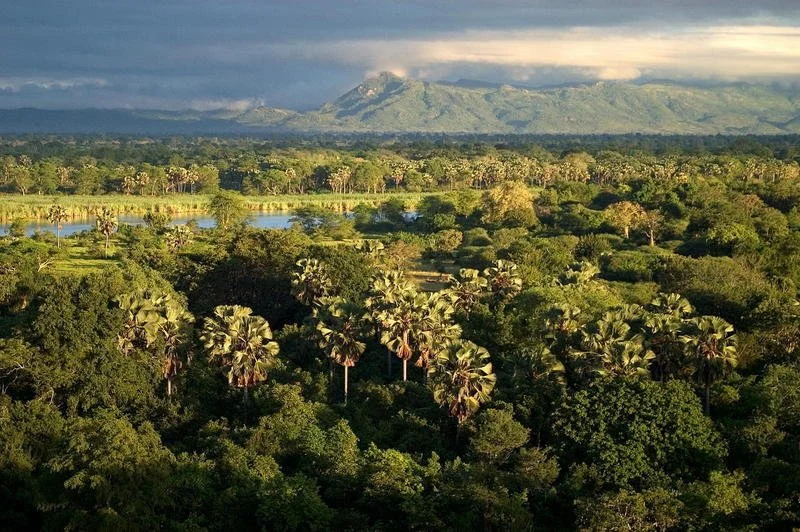
Its mountains, forests, rivers and lakes hold an extraordinary diversity of life — much of which we are still learning about.
Take Lake Malawi - The lake's famous cichlid fish are one of the world's great examples of evolutionary diversity. More than 700 species have been scientifically described, while estimates of the true number of species in the lake run considerably higher.
There is still much to discover.
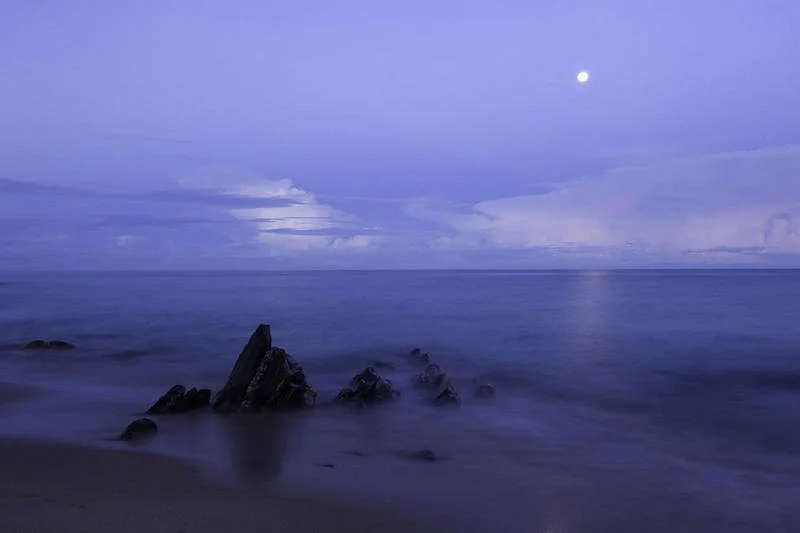
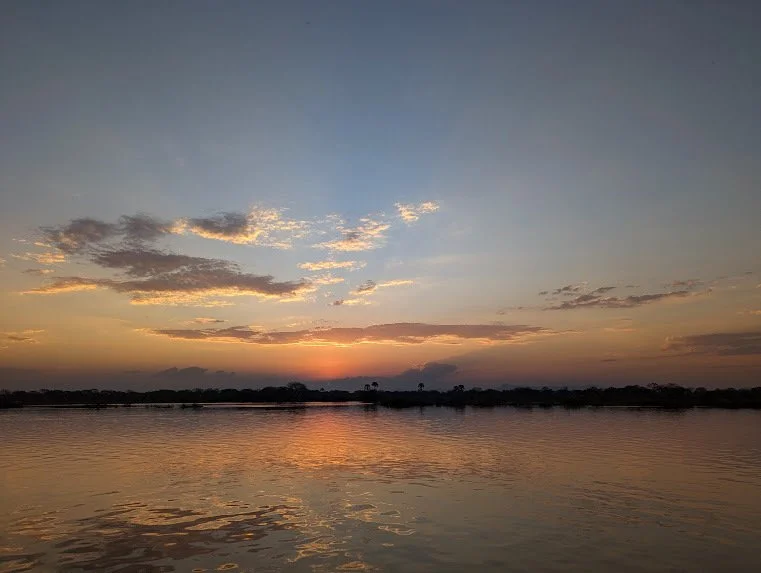
And perhaps that is the connection back to Jane.
After a lifetime of research, she spoke of chimpanzees as animals “whose secrets we still have not even begun really to uncover.”
That thought seems particularly fitting here because Malawi still has its secrets.
There are places where you can travel for hours and see almost nobody. Forests where the sounds around you are more important than the road ahead. Mountains, islands and lakes where nature still feels bigger than the infrastructure built to take you there.
And sometimes, if you are paying attention, there are stories like Ufiti.
And perhaps that is one of the greatest things about Africa, It hasn't given up all of its secrets - not yet, and Malawi certainly hasn't.
This is a country where you can still feel that sense of discovery — not because everything is untouched or unknown, but because there is still room to look a little closer, take the road less travelled and find something that surprises you.
So perhaps, when you come to Malawi, bring a little of Jane's curiosity with you.
Look a little closer, ask a few questions and allow yourself to wonder what might be around the next corner.