This World Wildlife Day
We celebrate not only wildlife, but the people, policies and partnerships that protect it. Footprint Safaris are proud to be part of Malawi’s continuing conservation story.
World Wildlife Day - From Ivory and Extinction to Malawi’s Conservation Comeback
Today, 3 March, marks World Wildlife Day, a global reminder that the future of wildlife is not guaranteed, but it is still within our control.
Fifty-three years ago, on 3 March 1973 is the day the World took a stand. Governments from around the world signed a landmark agreement, the Convention on International Trade in Endangered Species of Wild Fauna and Flora, known globally as CITES.
It was created for one urgent reason: our world’s wildlife was disappearing at an alarming rate. Elephants were being slaughtered for ivory, rhinos were hunted relentlessly for their horn, big cats, apes, reptiles, birds and rare plants were traded across borders with little control.
CITES changed that. The treaty regulates, and in many cases bans, international trade in endangered species, ensuring that commerce does not drive animals and plants to extinction. Today, more than 180 countries participate. It remains one of the most powerful conservation agreements ever signed.
But treaties alone do not save wildlife, people do.
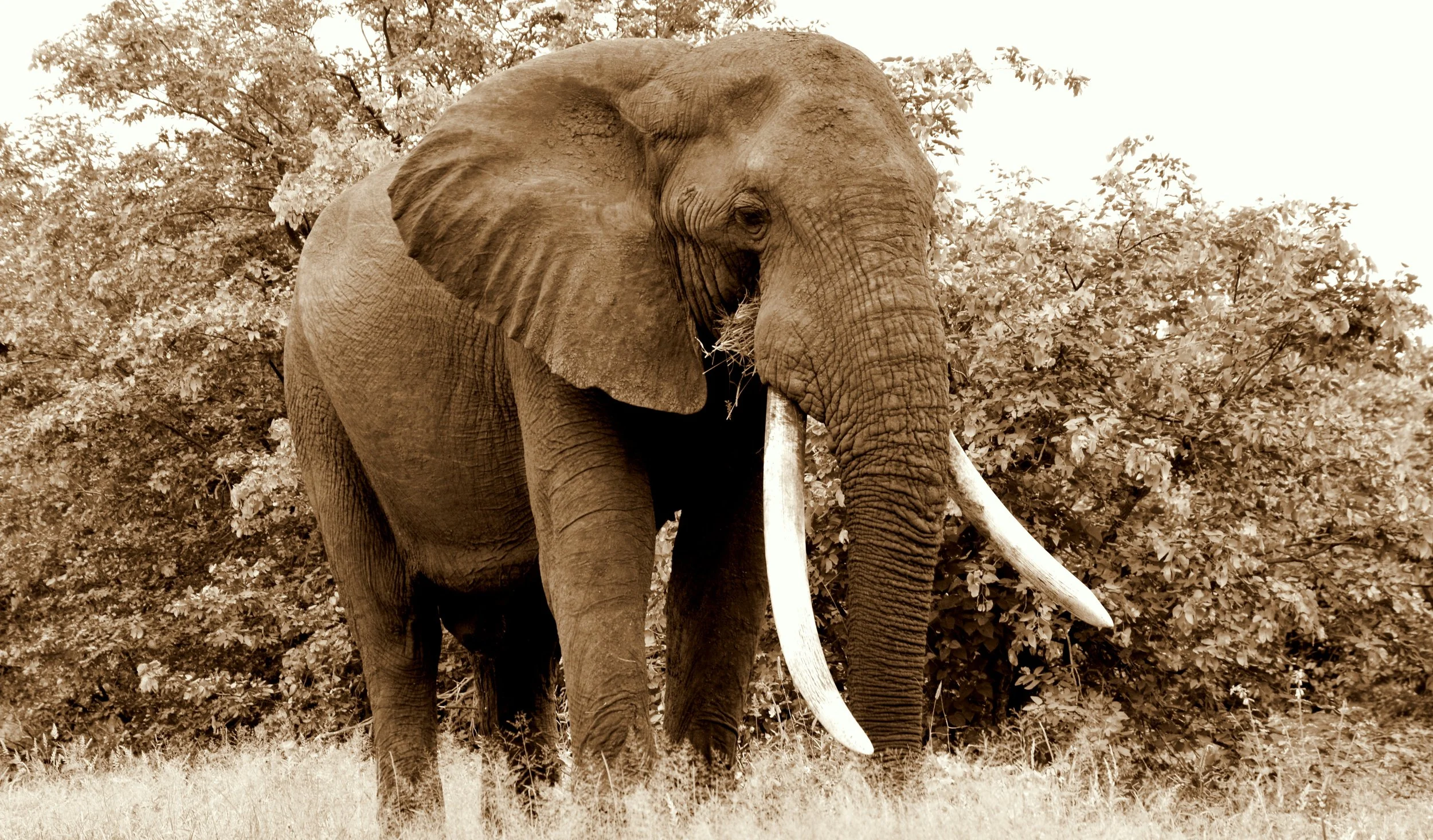
African Savanna Elephant Bull (Loxodonta africana)
The Ivory Crisis
By the 1980s, Africa’s elephants were in severe crisis. Tens of thousands were being killed each year for ivory. Entire ecosystems were destabilized as herds collapsed and in some regions, elephants vanished entirely.
In 1989, under CITES, international commercial ivory trade was effectively banned. It was a turning point for the African elephant. Poaching did not disappear overnight. However, the global message was clear, ivory would no longer be legally traded on international markets.
For the first time, elephant populations in many parts of Africa were given space to recover.
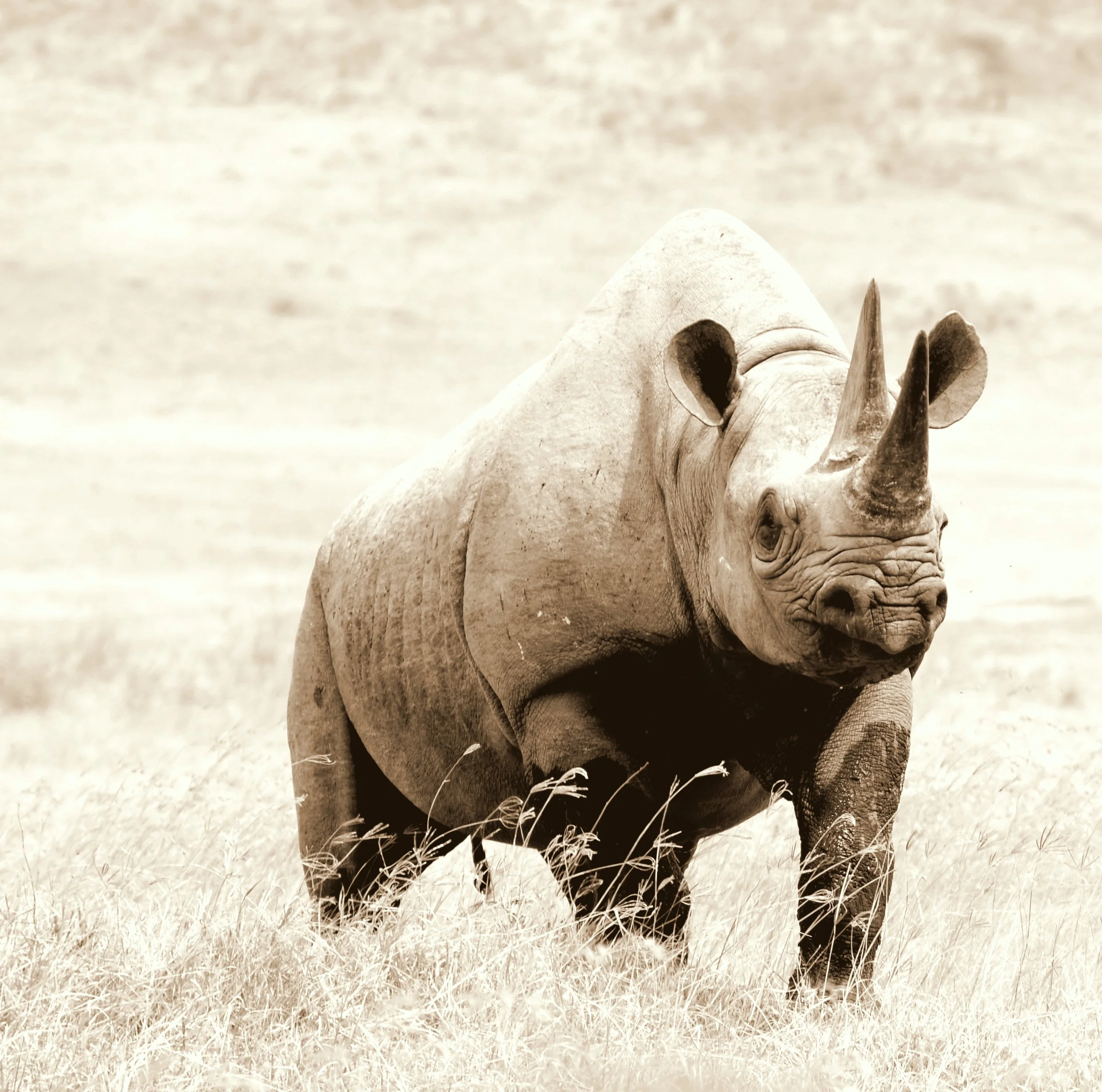
Black Rhinoceros (Diceros bicornis)
The Rhino on the Brink
The story of the black rhino was even more severe, from approximately 65,000 individuals across Africa in 1970, numbers plummeted to fewer than 2,500 by the mid-1990s. Demand for rhino horn, fueled by misinformation and black-market trade, pushed the species to the edge of extinction.
Under CITES, rhinos were given the highest level of protection. In 1977, international commercial trade in rhino horn was banned. Without that global decision, black rhinos may have disappeared from the wild entirely.

African Savanna Elephants (Loxodonta africana)
And What of Malawi?
Malawi was not immune. The country battled to protect its wildlife while illegal ivory and rhino horn trade flowed through vulnerable borders. In the early 2000s, elephant numbers had declined drastically. Black rhinos were locally extinct in some areas. Protected reserves were underfunded and fragile.
Wildlife was present, but in a vulnerable state.
Then, a partnership between the Government of Malawi and African Parks began reshaping the country’s conservation future. The global framework created by CITES helped reduce international demand and Malawi now has the protection on the ground.
Elephants Return to Strength
In Liwonde National Park, thousands of wire snares were removed. Game rangers were trained and equipped. Strategic fencing was erected to improve human–wildlife coexistence.
As elephant numbers increased, carefully managed translocations balanced populations and restored ecosystems in other protected areas of Malawi.
Today, Liwonde is one of Southern Africa’s most rewarding safari experiences, with elephant herds once again moving confidently along the Shire River and because of Liwonde’s successful conservation and breeding, elephants now roam more widely throughout Malawi.
This recovery did not happen by chance, it happened because international trade was restricted and local conservation was strengthened.

African Savanna Elephants (Loxodonta africana)
The Return of the Black Rhino
Perhaps even more remarkable is Malawi’s black rhino story. At one stage, only a handful of rhinos remained, confined within a secure sanctuary inside Liwonde National Park. Under the conservation management of African Parks, protection intensified, monitoring improved and breeding succeeded.
Eventually, the inner sanctuary fencing was removed, allowing rhinos to roam freely throughout the park.
Excess individuals were later relocated to Majete Wildlife Reserve, a reserve once nearly devoid of large wildlife. Today, Majete is home to the Big Five. Black rhinos were reintroduced under strict protection, supported by intensive anti-poaching units and constant monitoring and the population continues to grow.
A species once lost from the landscape has returned and the population of black rhinos in Liwonde National park remains healthy.
That is what World Wildlife Day truly represents — not just protection, but possibility.
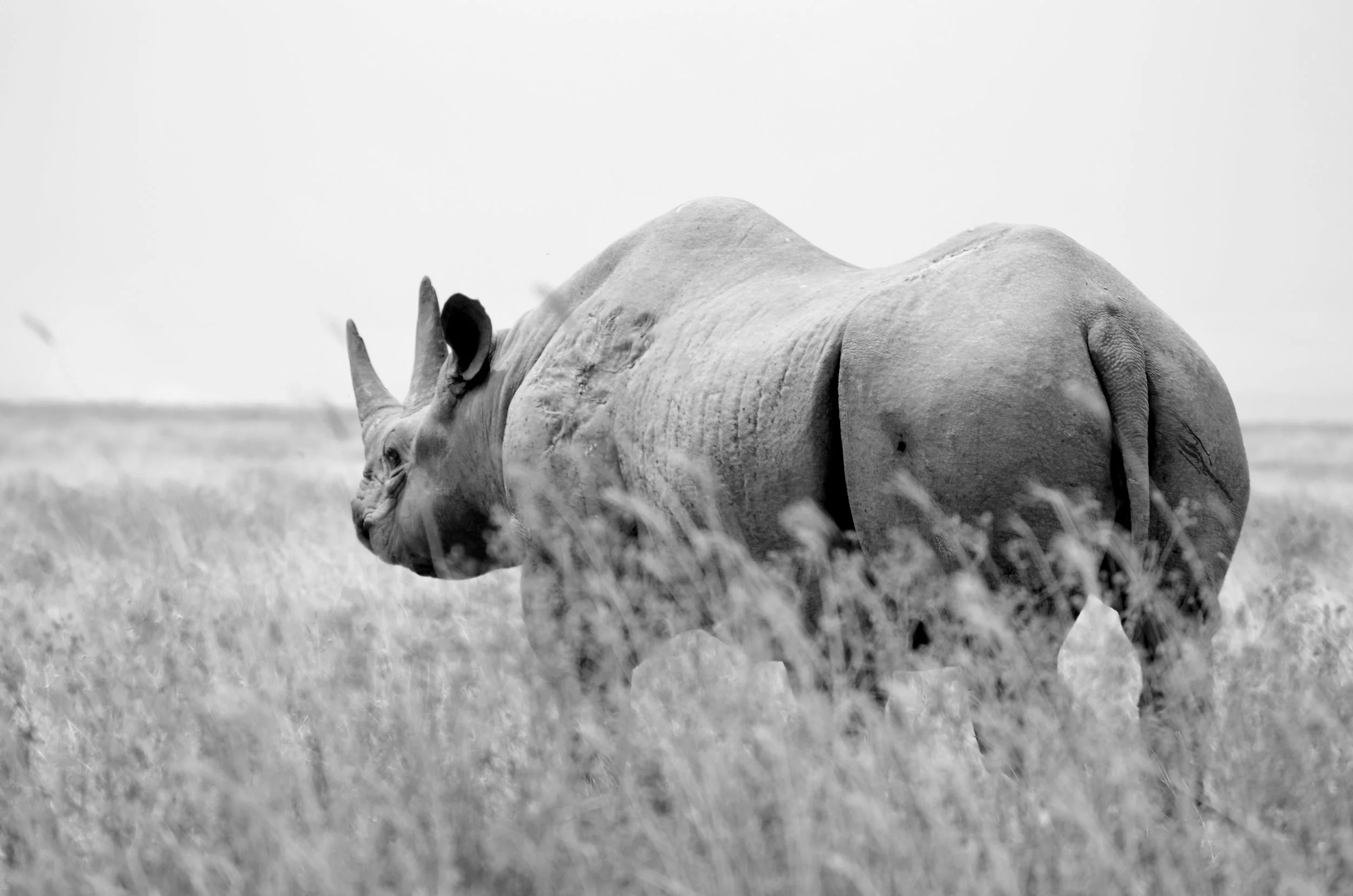
Black Rhinoceros (Diceros bicornis)
Global agreements like CITES create protection on paper, but wildlife survives because rangers are paid, fences are maintained, conservation activities thrive, communities benefit, and tourism provides essential revenue.
Footprint Safaris promotes responsible travel through our safari operations as well as our philanthropic and conservation initiatives. Every responsible Footprint Safaris traveler becomes part of the solution and contributes to Malawi’s conservation success.
Malawi’s conservation comeback is proof that when international policy aligns with local action, wildlife can recover.
This World Wildlife Day, we celebrate not only wildlife but also the people, policies, and partnerships that protect it. Footprint Safaris is proud to be part of Malawi’s continuing conservation story.
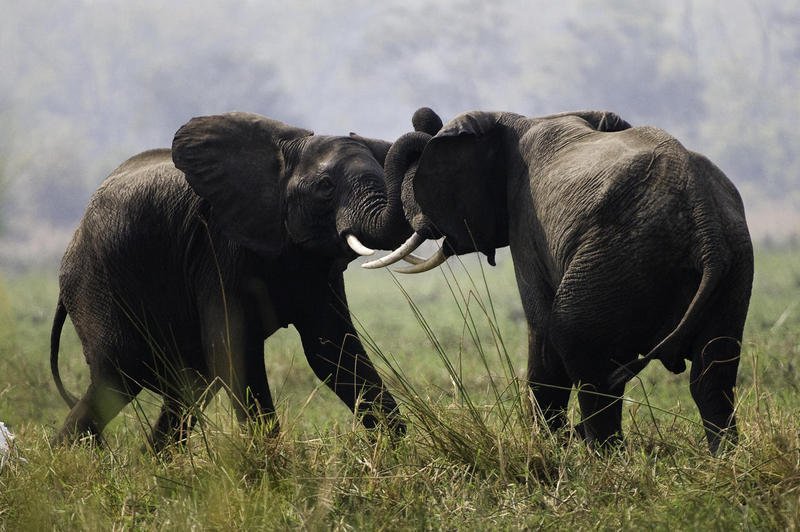
African Savanna Elephants (Loxodonta africana)