Earth Day, 22 April.
Our Power, Our Planet — Our Malawi.
This Earth Day, the most powerful thing you can do for Africa’s wildlife might also be the best journey of your life.
Every April 22nd, the world pauses to take stock of the planet we are inheriting—and increasingly, leaving behind. Climate summits make headlines. Policy pledges fill press releases.
But this year’s message is different.
The real power lies with individuals, with communities, and with the quiet, deliberate choices people make every day.
Malawi — A Country Living the Earth Day Message
In southeastern Africa, a small, landlocked country has been living this philosophy for over two decades—without fanfare or viral campaigns.
Just people showing up.
Conservationists. Rangers. Local communities. And yes—travelers—choosing to invest in a place that most of the world still overlooks.
That place is Malawi—and it may be Africa’s most important destination right now.
Malawi — The Undiscovered African Gem
Wedged between Tanzania, Zambia, and Mozambique, Malawi is easy to miss on a map—and rarely features in mainstream wildlife documentaries.
But what it offers is something far rarer:
A remarkable wildlife comeback
One of the most unique lakes on Earth
A culture defined by genuine warmth
The rare luxury of space—untouched, uncrowded, and deeply intimate
1. A Wildlife Comeback — That Should Be Famous
Twenty years ago, Malawi’s national parks were in crisis—depleted by poaching and habitat loss.
In 2003, a long-term partnership with African Parks changed everything.
Starting with Majete Wildlife Reserve, thousands of animals were reintroduced, infrastructure was rebuilt, and protection was enforced. Slowly, the ecosystem returned, and Majete became the blueprint—replicated in Liwonde National Park and Nkhotakota Wildlife Reserve, with all three parks now thriving.
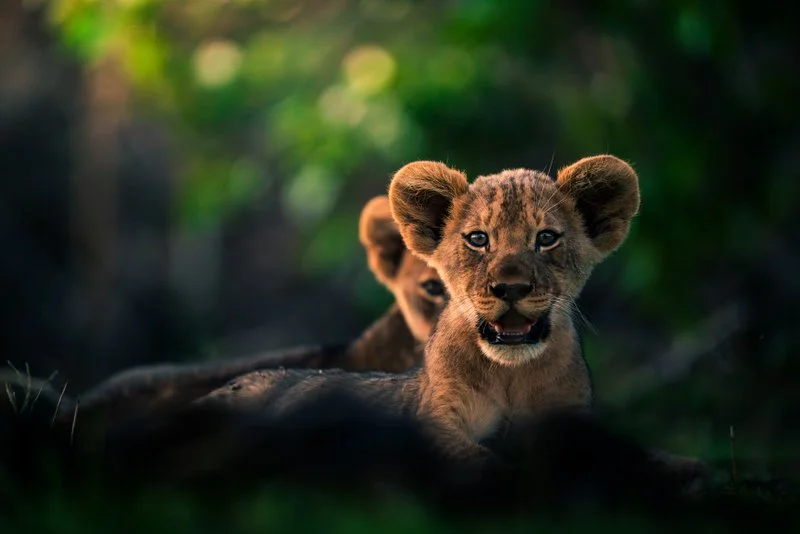
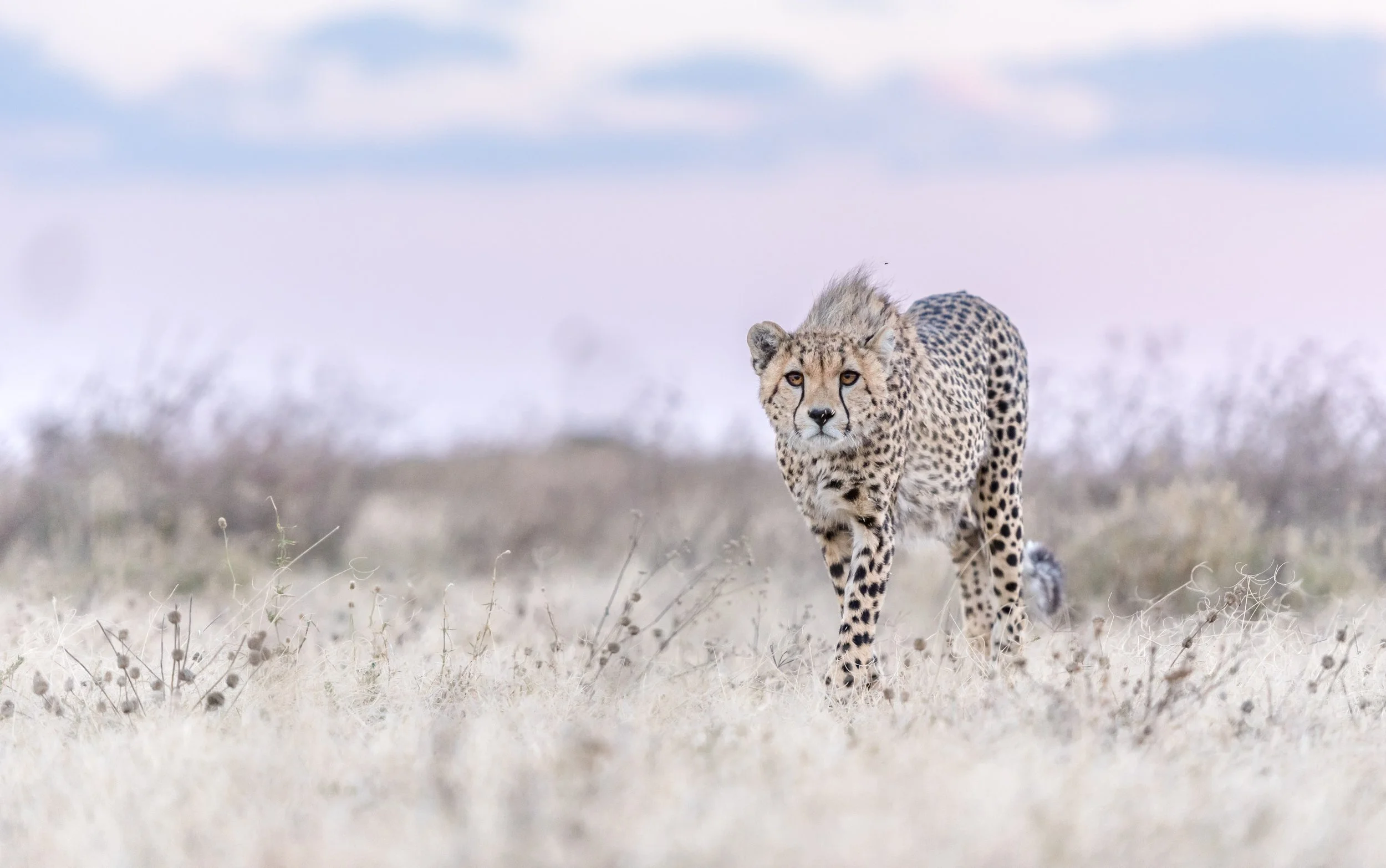
Today, these parks host lion, cheetah, wild dog, elephant, and black rhino—species that had once all but disappeared.
Malawi can now confidently stand alongside Africa’s top safari destinations.
This is not just policy at work—it is the power of coordinated human action. Exactly what Earth Day 2026 stands for.
2. The Lake the World Forgot
Then there is the lake.
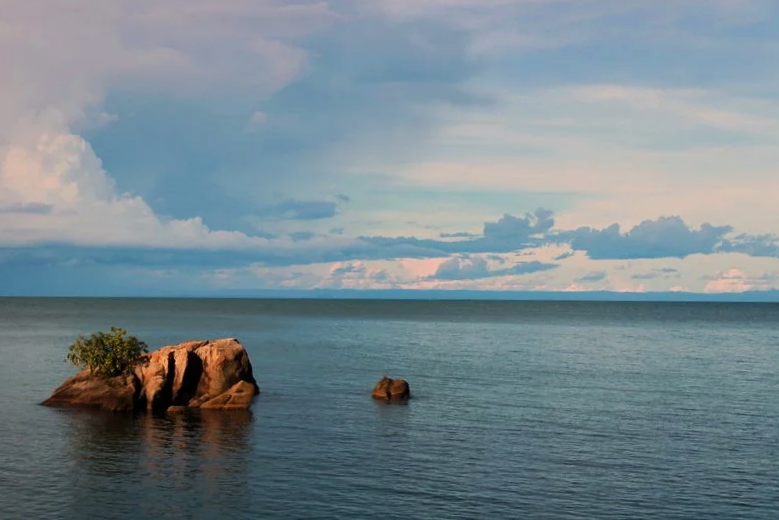
Lake Malawi stretches across nearly a fifth of the country—an inland sea of clear, warm freshwater.
It is Africa’s third-largest lake, the world’s eighth-largest, and one of the most biologically unique places on Earth. Recognized by UNESCO, the lake contains an astonishing 700–800 species of cichlid fish—99% found nowhere else on Earth.
It is evolution in real time.
Snorkeling here isn’t just an activity—it’s discovery. Brightly colored fish move through rocky outcrops in water so clear it feels unreal.
This is where Malawi becomes truly unique:
A Big Five safari and a tropical beach experience within a few hours of each other—a place where you can track lion at dawn and swim above a thousand endemic fish by afternoon.
3. The Warm Heart of Africa
Malawi’s tourism slogan is well known: The Warm Heart of Africa.
But what makes it different is this—travelers say it before they even realize it’s official.
It lives in the details:
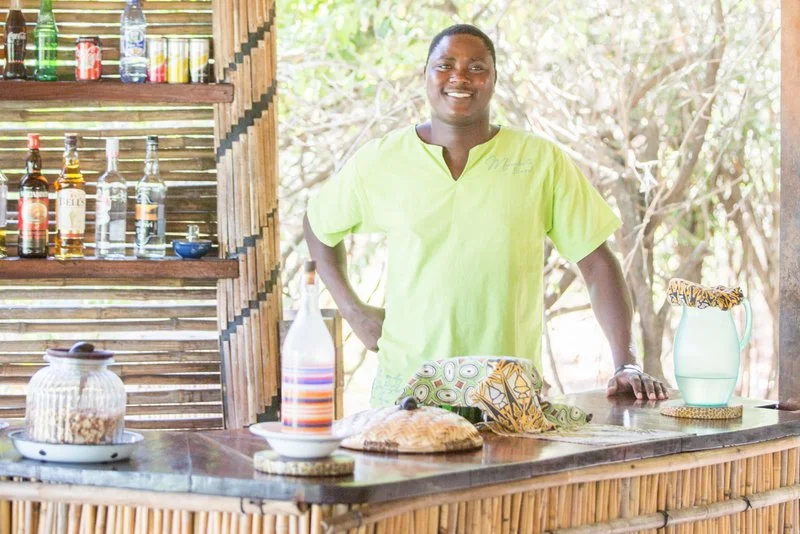
• A lodge owner who insists on introducing you to the local village
• Children waving as you pass—not asking, just welcoming
• Guides who share conservation stories they’ve lived, not learned
This is not curated culture; it is real life—shared openly.
Community-based tourism ensures that:
• Local people lead the experience
• Revenue stays within the community
• Conservation and livelihoods are directly linked
The warmth isn’t branding; it’s a system that works.
4. Untouched, uncrowded, and deeply intimate
Earth Day is also about scale—and honesty.
Malawi’s tourism sector supports over 270,000 jobs, contributes roughly 6.7% of GDP, and is set for strong growth—yet it remains under-visited globally.
Compared to East Africa’s tourism giants, Malawi is still early in its journey, and that creates something rare—the ability for a single traveler to have a measurable impact.
When you visit Malawi:
• You support conservation directly
• You fund local employment
• You contribute to a system that is still growing and evolving
This is not abstract impact; it is immediate and visible.
It also means something else—something increasingly rare in travel: space.
Time in nature that is unrushed, unhindered, uninterrupted.
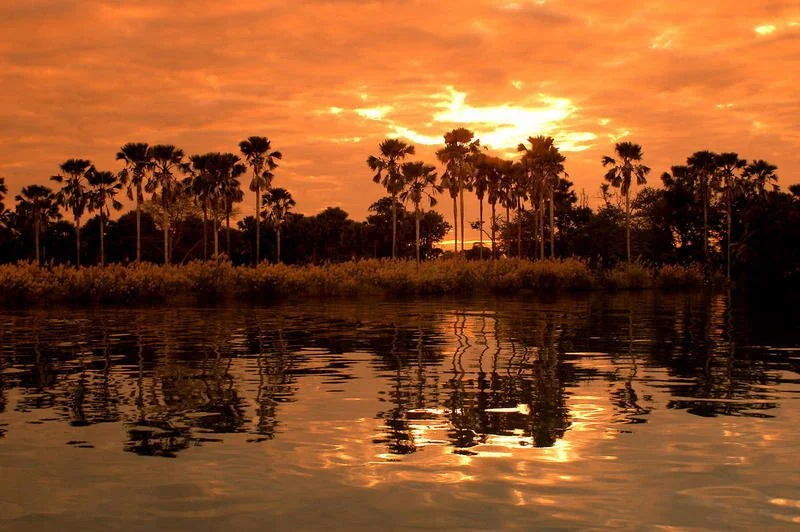
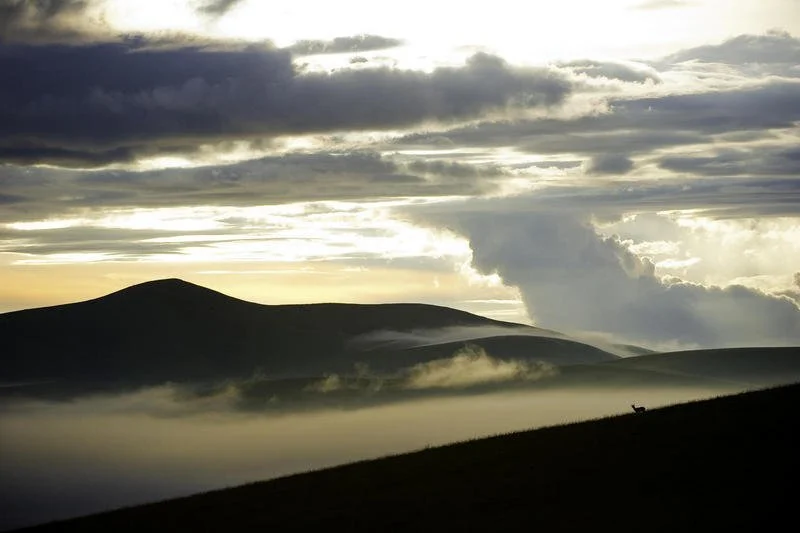
And sometimes, it looks like this: a quiet moment on the Shire River, the light softening at the end of the day with a pod of hippos surfacing nearby while an elephant moves silently along the bank behind—no other vehicles, no noise, just you and a place that feels entirely its own.
Malawi remains raw, authentic, and quietly extraordinary—and with careful growth, it is likely to stay that way.
Our Power, Our Planet — Our Malawi
Earth Day 2026 asks a simple question: where does your power go?
Into your choices.
The places you visit.
The experiences you prioritize.
The stories you become part of.
Choosing Malawi is not a compromise—it is a decision to choose:
• Space over crowds
• Connection over consumption
• Impact over anonymity
It is choosing to step into a conservation success story—while it is still being written.
Your Invitation
At Footprint Safaris, we are on the ground in Malawi, designing journeys that connect travelers to its wildlife, its waters, and its people.
If you want to:
• Watch elephants returned to the Nkhotakota Wildlife Reserve landscapes they once disappeared from
• Track black rhino through the miombo woodlands of the Majete Wildlife Reserve
• Photograph cheetah across open floodplains of Liwonde National Park
• Drift above one of the most unique ecosystems on Earth and bask on the pristine shores of lake Malawi National Park
—we know exactly how to plan it for you.
This Earth Day, don’t just think about the planet—choose to experience a part of it where your presence still matters.
Our power.
Our planet.
Our Malawi.